10. September 2023
In
Archive, Courses, Master, WS 2023/24
Master’s degree projects M3
Masterthesis Lecturer: Prof. Axel Sowa

Masterthesis Lecturer: Prof. Axel Sowa
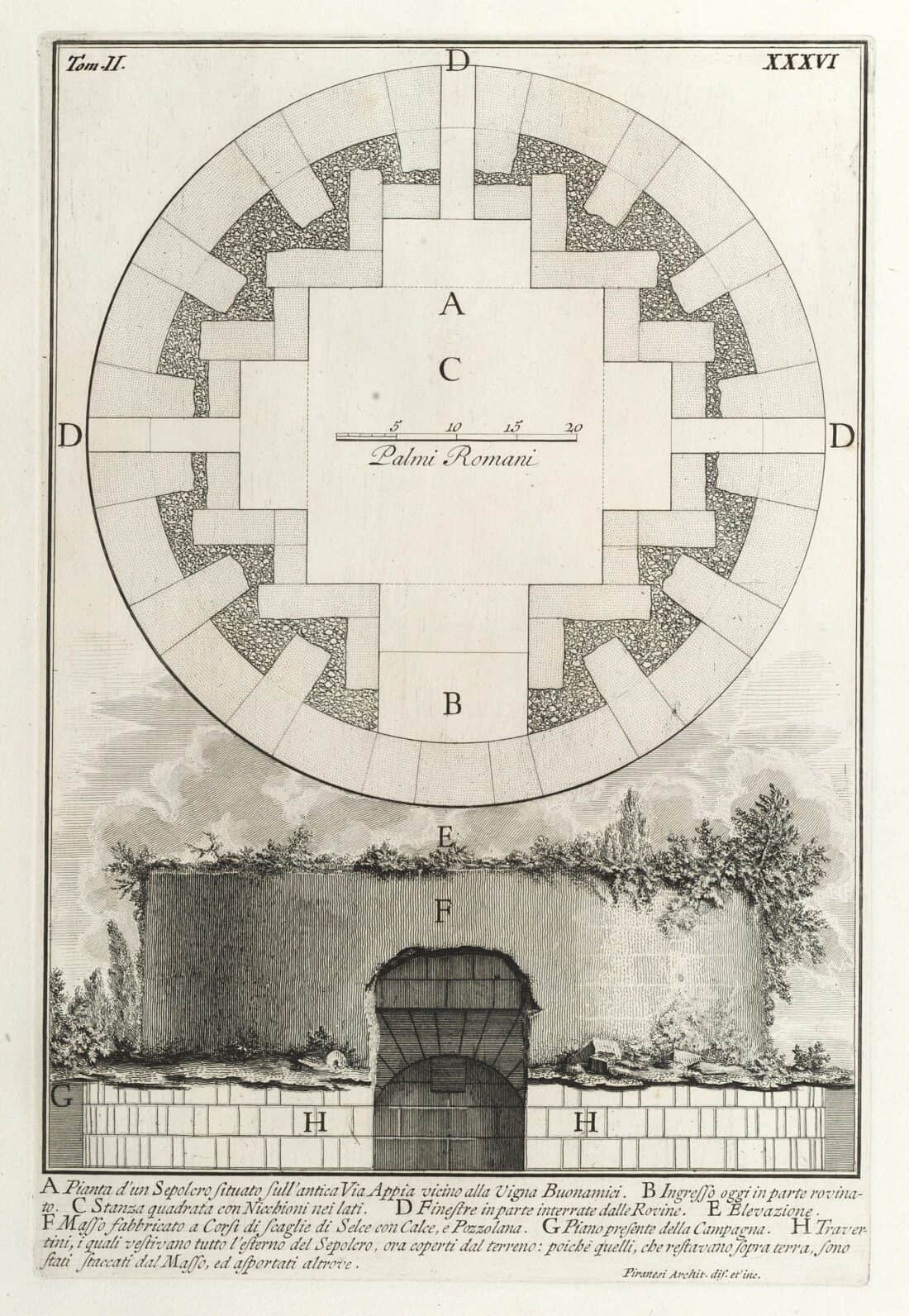
In the course, Piranesi's multifaceted figure will be analysed in depth and connections and influences on and by Piranesi will be shown. Students will be guided through various drawing exercises designed to enable them to better understand the depth of Piranesi's representations and writings. At

MT Project 21.00092_Kurs_MT_Arch_AT (Freie Masterabschlussprojekte M3) (0,5 SWS / 30 CP) Prof. Axel Sowa
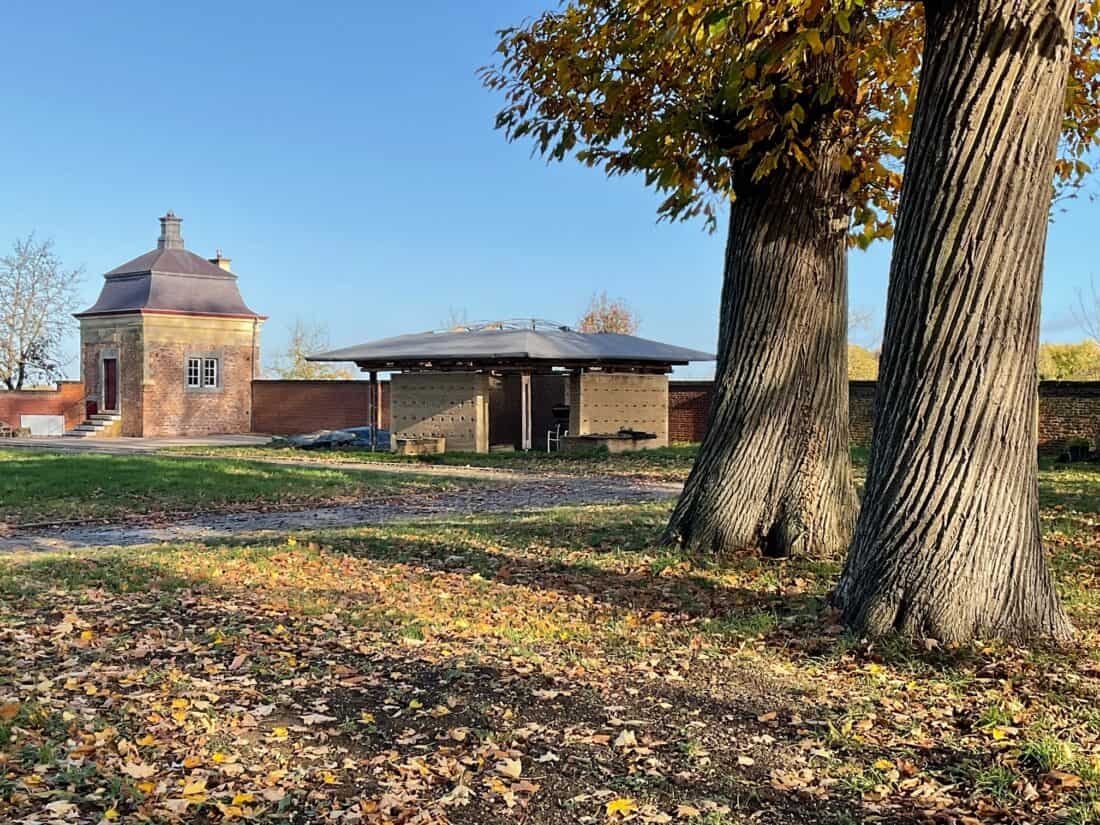
In the coming years, the challenges of climate change will require the collaboration of experts, including architects with expertise in natural materials, recycling technologies, and a vocation for situated experimentation. The aim of this M1 course is to address crucial themes in this domain of
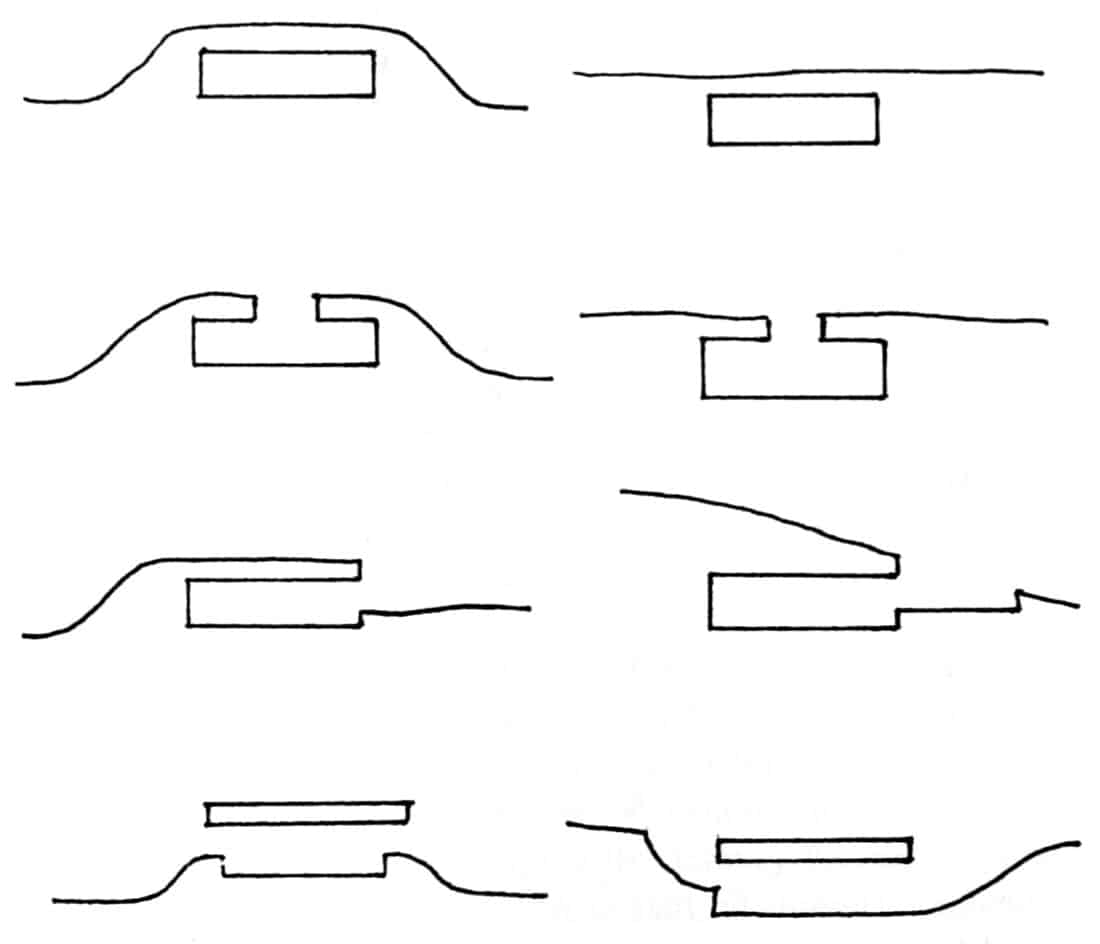
This elective course is dedicated to the relationship between the earth, shelters and dwellers. In particular, we will take as our field of analysis a series of contemporary do-it-yourself handbooks for earth-sheltered homes published since the 1970s, in the United States, in response to the
For more than 40 years has grown a park next to the shock wave laboratory of the RWTH where clay domes and half-timbered pavilions are built by students by hand and foot without machines. These pavilions are improvisations that arise from the joint work of
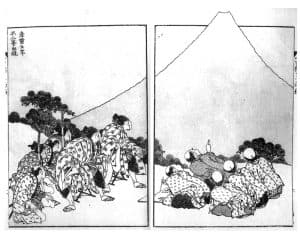
This elective course will be dedicated to Japanese gardens, landscapes and architecture. This elective course will be dedicated to Japanese gardens, landscapes and architecture. Our journey through the art of garden history will start from particular garden types where the observer perceives the scenery from
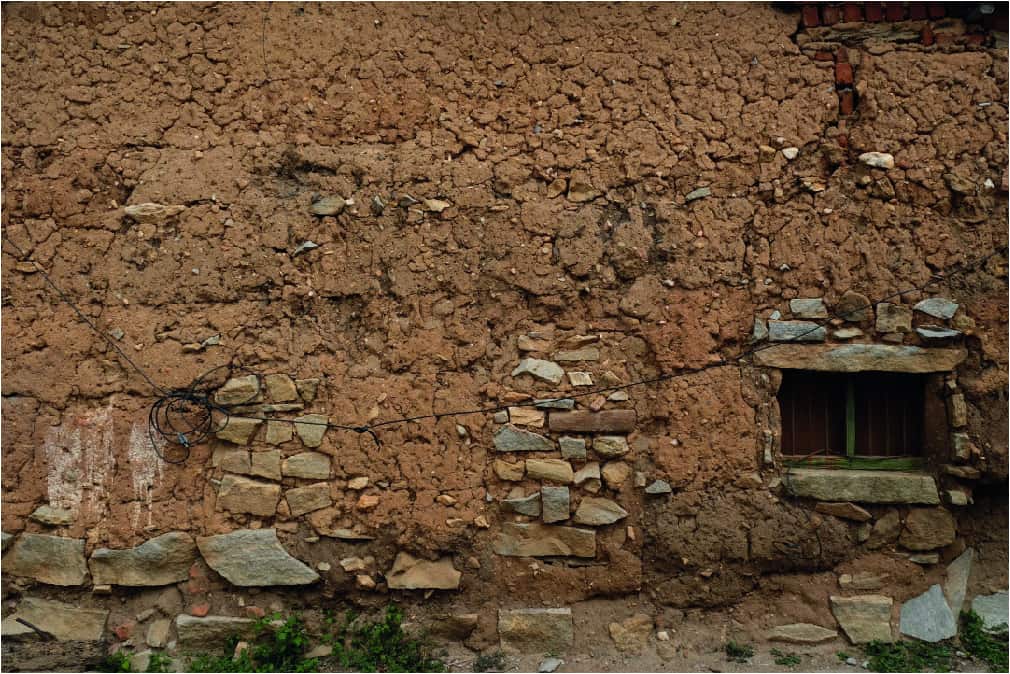
This research module is part of the Indo-German university cooperation with IIT Roorkee, supported by DAAD. It will extend a common inventory of Indian and European named “Experimental Architecture and Material Culture”.
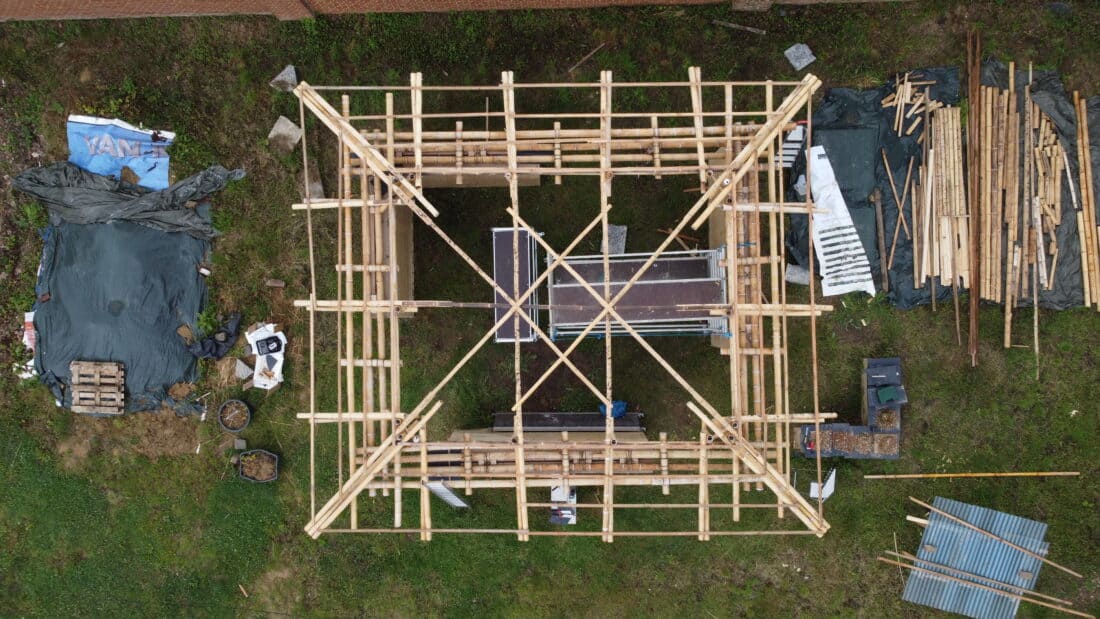
https://theorie.arch.rwth-aachen.de/wp-content/uploads/2022/09/Hoogcruts_workshopbamboo.mp4From 6 to 10 June 2022, the Department of Architectural Theory and Research at RWTH Aachen University, under the direction of Prof. Axel Sowa, organised the second Summer School on sustainable building with clay, earth and bamboo in the Hoogcruts monastery not far from the
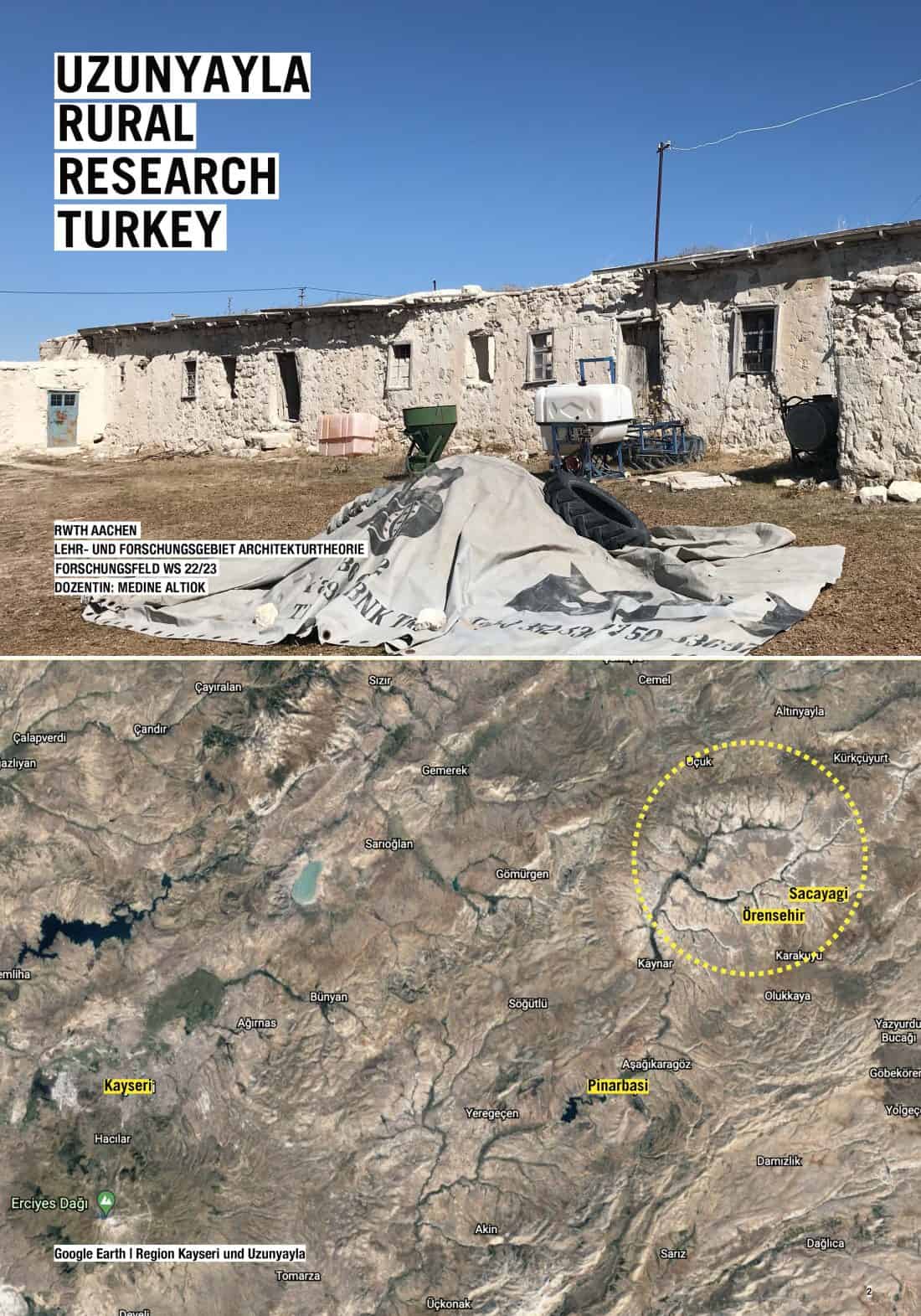
FF Uzunyala Rural Research: Uzunyayla (translated from Turkish: long plateau, large winter pasture) is a rural region near Kayseri in Turkey, consisting of a wide river plain and a flat mountain plain. Along two river courses are 42 small Circassian villages that live mainly from agriculture